The difference
Fear is a natural mechanism designed to protect you from danger, but phobia not. Phobia has little to do with protection or danger. Phobia is very common and in USA about 20 million people have some form of phobia. Phobia is an extreme, strong and irrational fear some people experience when they face some certain situations. You will know with phobia that your fear is not reasonable but you cannot resist or control it.
Types of Phobia
There are many kinds of phobia, there is even a phobophobia, i.e., the fear of phobia. In general, phobia is a kind of anxiety disorders, very extreme one, and it can be divided to three general categories : agoraphobia – which occurred in public places where one feels that there is no escape; social phobia : which is the fear and avoidance of social situations and interactions with people; and specific phobia : which is an irrational fear from specific objects like the fear of insects or some animals.
Agoraphobia
It is called so after a market in ancient Greece where people meet and shop. The person with agoraphobia becomes afraid that he would be trapped in a public place, open space, a bridge or a waiting line. He is actually afraid from the idea of the inability to escape if his anxiety goes high or an episode of panic takes place. This type of phobia is twice among women than men. If not treated adequately the person may become bound to the house all the time.

Social Phobia
Social phobia is not being shy, it is far more than that. The person with social phobia feels intense fear and anxiety about his performance in a social situation. He keeps worrying whether his actions appropriate? How would people evaluate them? Will it show on him that he is anxious? Will others notice? Do they scrutinize him/her? Will he be able to find the appropriate words to talk? or is he going to embarrass himself?
Social phobia usually leads to avoiding social contact and this can results in a severe impairment of professional life and social relationships leading to a great distress to the person.
Claustrophobia
This type of phobia happens in response to being in a closed space, and it is quite common. The person who is suffering from claustrophobia is unable to use lifts, or to walk thru tunnels with comfort. He becomes afraid of suffocation or being trapped. This will lead him to avoid such enclosed spaces and he usually engages in some sort of safety seeking behaviours. he would go for opening a window or sitting near the exit. These behaviours wont’ relieve the fear completely but the situations becomes somewhat tolerable, but they lead to more reinforcements and make the condition chronic.
Zoophobia
Zoophobia, which is the fear of animals, is the most common kind of specific phobias. Subtypes include fear of spiders, fear of bees, fear of snakes, fear of lizards or fear of birds, in addition to many other classes of different animals. These phobias usually date back to childhood, and many people get rid of them spontaneously with age, but some people keep them well into adulthood.

Brontophobia(Phobia of Thunder)
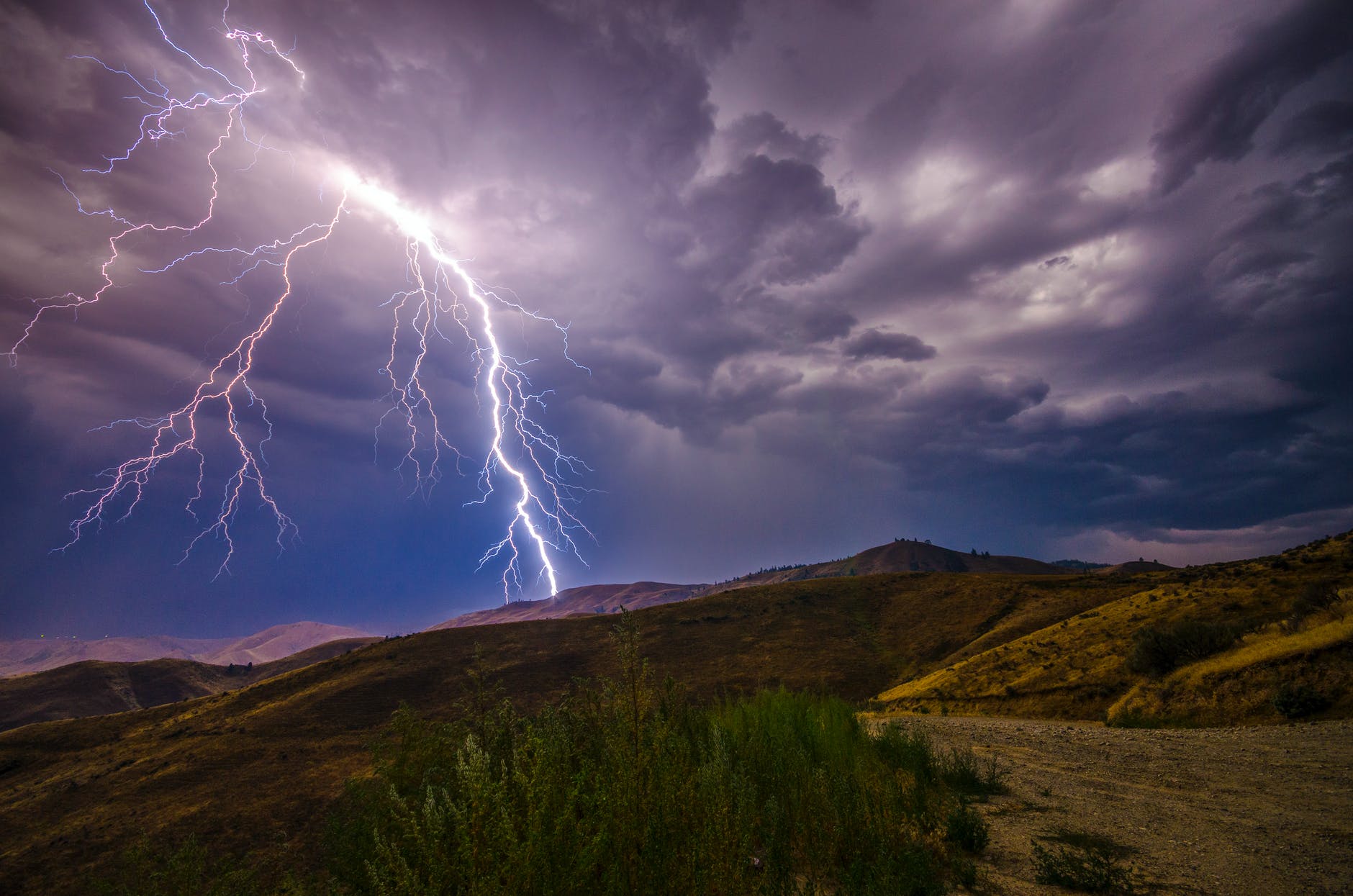
This name is given to the fear of thunder since bronte is thunder in Greek. people usually are well aware that thunder will not hurt them, but yet they still experience panic attacks in thunder situations. They will refuse to go out during thunderstorms. Some of them may go even further like crouching behind a sofa or hiding in a closet or under a blanket until the storm passes away. Fear of both lightening and thunder is called astraphobia. This phobia is not confined to humans; it is shared by both humans and animlas.
Acrophobia (Phobia of Heights)
This is the fear of heights and it results in sever anxiety and panic attacks. In some cases, panic attacks can happen even when climbing a ladder or walking up stairs. The fear can be so severe that the person is immobilized, standing in freeze. Acrophobia is serious, and it can create danger for the person because it can prevent him from safely coming down from the place he is in.

Aerophobia
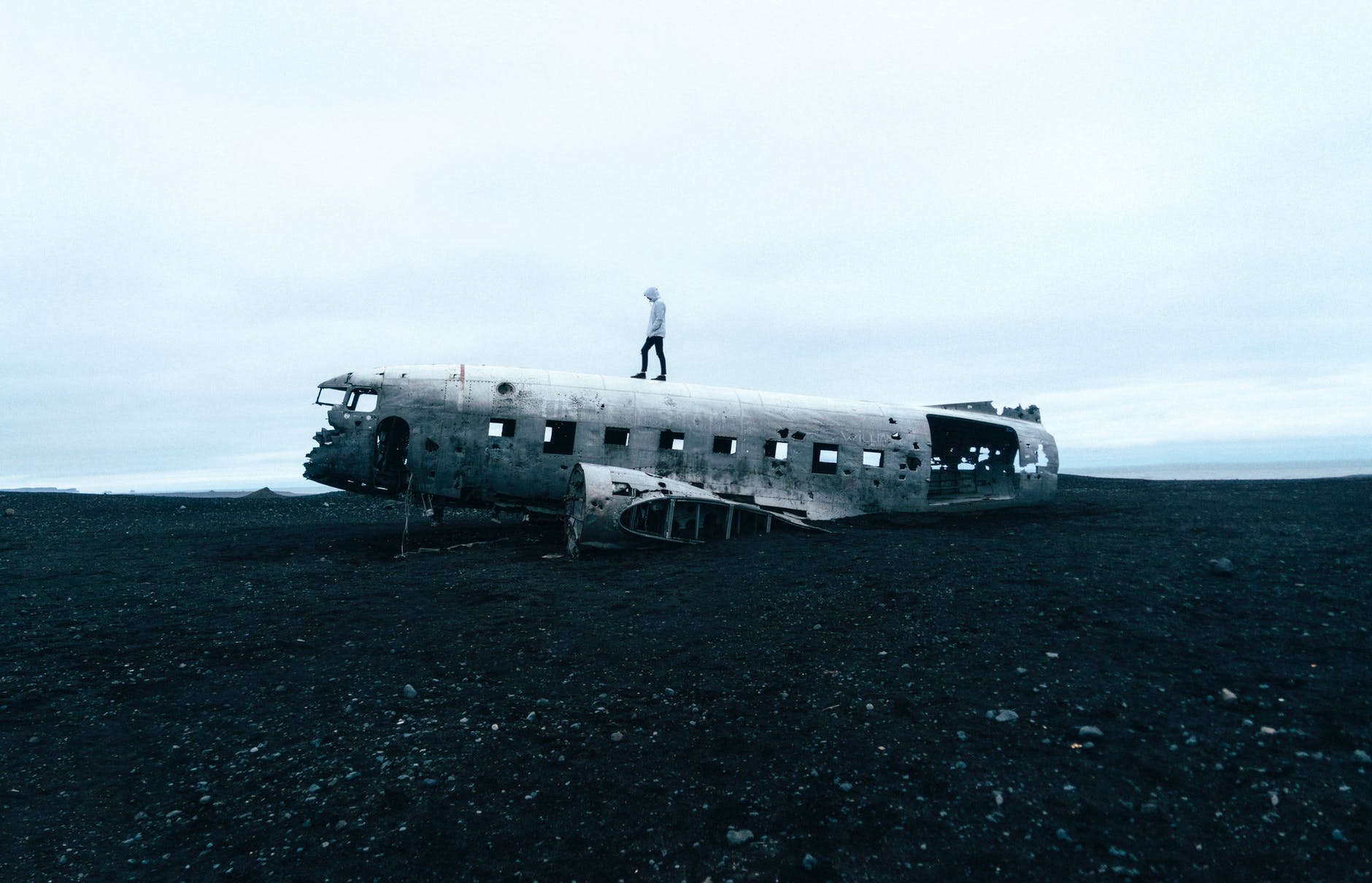
This phobia takes place in response to flying. The person with it is extremely afraid of flying. This phobia usually develops after a person has some traumatic experience in an airplane. like some severe air turbulence, or witnessing another passenger having a panic reaction etcetera. The person may forget the incident completely while maintaining the fear response. The response can be brought on by watching a some air accident on TV or media.
Blood/Injection Phobias
There is a broad spectrum of this kind of phobia including the fear of blood and the fear of receiving an injection. Another subtype is the fear of injury. Invasive medical procedures become difficult in some people due to this fear. These phobias are associated usually with fainting episodes, fall in blood pressure and decrease in heart rate.
metaphysical Phobias
There are also some phobias that look strange. like phobia of number 13 or anything linked to it, which has the fancy name : Triskaidekaphobia. The phobia of ghosts which some people have is called phasmophobia. And chiroptophobia is the phobia of vampires / bats.
Some other phobias
Emetophobia is an unnatural fear of vomiting .One may have witnessed a schoolmate vomiting in public . The anxiety can be triggered by thoughts of vomiting .
Carcinophobia is an irrational fear of developing cancer. Every bodily discomfort becomes a sign for them that they have a cancer.
Neophobia is the fear of anything new.
Gerontophobia is the fear from getting old or from old people.
Phartophobia is the fear of passing gas in public, and it can become a disabling obsession.
Odontiatophobia is the fear from going to the dentist.
Spargarophobia is when one develops an attack over a plate of asparagus.
Effects of Phobias
In their attempts to avoid the riggers of fear, people usually make remarkable changes to their lives. The shame and stigma associated with phobias drive people to try hard to hide their fears from other people. Some people lose their jobs, some get big impairments in their school , home or social functioning. Living with untreated phobia is a struggle all along.
Phobias and Alcohol
This is a two way relationship. Alcoholic people are ten times more likely to develop a phobia than non alcoholic persons. And people suffering from phobia are two times likely to become addicted to ethanol than normal people.
Connection with Family
Phobias seem to arise from life events, can be influenced by culture, and can be triggered by environmental situations. But they also run in families indicating a genetic basis. Immediate relatives of people suffering from phobia are actually 3 times more likely to have the illness than people with no family history.
Treatment
Phobias are treatable. The mainstay of treatment is desensitization. It is based mainly on exposure therapy.
Exposure therapy is a process of gradually exposing the person with phobia to situations resembling the situation they fear. With repeated gradual exposure the fear response tends to decrease with time and the person builds more confidence. This is usually achieved by talk therapy. Patients alos learn how to change their thoughts about the subject of their fear and learn to modify their responses. The success rate of this approach is so high, reaching 90%.










 Wellbeing Arena