Article written by : M. Zaman Rajabi
Before COVID-19, parenting was different, wasn’t it? Many parents would send their children to school or day care and would head to work or stay home.
Anytime two parents would speak about “parenting” they would talk about how they were failing their children by not spending enough time with them, missing their life and/or educational milestones due to work and travels, not signing up their kids for extracurricular actives, etc. This was all before the time of Corona virus but suddenly everything changed overnight. Overnight, our style of education, growth and entertainment for our children was shattered into pieces. When Corona virus hit the globe, suddenly, there were no more day care, no more playing outdoors, no more face to face school, no more outdoor activities to drain our kids’ extra energy, no more of many things that we were all used to. On top of that, we were all too afraid of exposing our friend and families to this despicable virus.
Before the time of COVID-19, we, as parents, had a lot more control in terms of our kid’s activities. Their screen time and viewing content, study times, playtime, etc. were all “sort of” planned. When the lockdown happened and work from home became the new normal, we all decided to replicate the same pre-Covid schedule and life structure for our kids at home. Morning rituals, family yoga and exercises, home based learning activities, educational YouTube/YouTube kids videos, etc. As time passed, we all slowly got exhausted and our daily routine caved and our routine became more of a free routine of “OK, whatever” and hoping to just survive this pandemic.
This virus has taken a heavy toll on all of us and our children are no exception. Children had faced challenges in finding meaning in life, younger children have slowly internalized that being closer/around others is dangerous. Teenagers lost their connections to their friends and their life structure has became “depressing”. We all know understand the necessity of the preventive measures such as isolation and work from home during this pandemic, but we need to also focus on the wellbeing of our children.
Tips for parenting in the time of COVID-19
From WHO’s “healthy parenting” and Parenting for lifelong health (PHL)
Spend quality time with your children:
Just a few minutes everyday with each child makes a whole lot of difference. Set a time everyday to spend with your children. It can be 20 minutes or longer; you decide. If you have more than 1 child, set a time for each of your children. It would great if the time is fixed so children look forward to spending time with their parents. Swith off TV, phone and laptop and make this time all about yourselves. Depending on the age of you child, you can read a book together, make drawings, sing/dance together, talk about your child’s favorite topic (sports, music, film, friends, etc.), cook a meal together, or even help them with their school work. You can always give the choice to your children and ask them what they would like to do.
Praise your child when they are behaving well:
Children may not react to your praise, but you’ll notice that they are repeating the good behavior. Praising will assure them that you notice the good behaviors and that you care.
Say the behavior you want to see in them:
Avoid the “Do” and “Don’t” and respectfully say the behavior you want them to do. If you want to clean up their rooms, say “please clean up your room” instead of “don’t make a mess”. Also, pay attention to your tone of voice and your nonverbal behavior while speaking with children. Speak calmly, say their names and don’t shout. It is all about how you deliver a message.
Create a flexible but consistent routine:
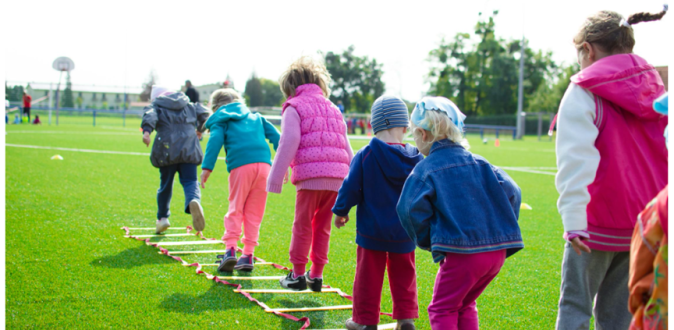
When making a daily schedule, aside from schedule activities, include a “free time” as well. This will help children feel much more secure and in control of their own lives and will help them behave well. Ask your children to help with developing the schedule. They will stick to it if they help to make it. Include exercise in everyday schedule to help reduce the stress and excess energy.
When children misbehave:
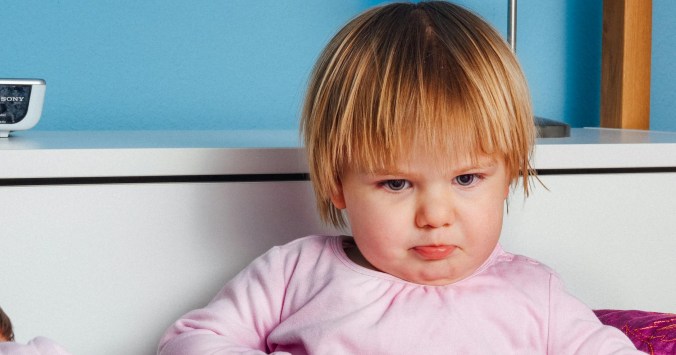
Catch the negative behavior early and try to redirect their attention to something more positive. When they get restless and frustrated, distract them with something interesting and fun such as “let’s play a game or dance together”.
Use consequences for their inappropriate behavior:
Consequences such as no mobile or screen time for 1 hour. When children misbehave, always give them the choice to follow your instruction before giving then the consequences. Then stay calm while your give them the consequence and always go through with the consequence. It is better to stick to the consequences that are reasonable and doable. Taking away a teenager’s mobile for a week is not practical. When the consequence is over, always give your children a chance to do something good so you can praise them.
Take care of yourself:
When you feel lonely, talk to someone. Take 5 deep breaths when you feel stressed or angry before you say or do something. You are not alone; there are millions of parents like you who are going through the same things. Take a break sometimes; like when your children are doing their schoolwork or taking a nap or sleep. Do something fun or relaxing for yourself. You deserve it.
“Take a pause”
1-minute relaxation activity that you can do whenever you are feeling stressed
Step 1: set up:
- Find a comfortable sitting position. Close your eyes.
Step 2: Think, feel, body:
- Ask yourself “what am I thinking now?”
- Notice your thought; negative or positive.
- Notice how you feel emotionally; happy or not.
- Notice how your body feels; anything hurts or tense?
Step 3: Focus on your breath:
- Listen to your breath as it goes in and out
- Put your hand on your stomach and feel it rise with each breath.
- Tell yourself: “it’s OK. Whatever it is, I am OK”.
- Then just listen to your breath for a while
Step 4: Coming back:
- Notice how your whole body feels.
- Listen to the sounds around you.
Step 5: Reflecting:
- Think “do I feel different at all”
- When you are ready, open your eyes.
Further reading resources and materials:
Parenting for lifelong health (PHL)
“My hero is you: story book for children on COVID-19”.




 Wellbeing Arena
Pingback: Parentalidade em tempos de COVID-19 – Home Page