There are several ways by which child abuse and neglect can have an impact on all aspects of a child’s development. These include physical, psychological, emotional, behavioral, and social development.
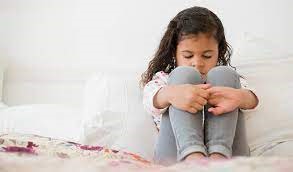
Effects of child abuse
Childhood trauma can have long-term consequences, and children can react differently to what has happened. As a result of being a victim of abuse, children may have a variety of emotional, psychological, and physical problems. Some of these issues include having low self-esteem, permanent physical injuries or death and disrupted attachments with those who are meant to keep them safe. Due to this they may develop trust issues and struggle forming new relationships with others.
Furthermore, childhood symptoms include severe increased fear, guilt, and self-blame in children, contributing to mental health illnesses such anxiety, post-traumatic stress disorder, and depression. These mental health disorders can make children reluctant to learn, resulting in developmental delays, problems with their speech, delayed cognitive development, and learning impairments.
All of these symptoms can lead to self-harm or thoughts of suicide, which can also affect children’s mental health and lead to aggressive or criminal behavior, including drug and alcohol abuse.
Factors affecting the consequences of child abuse and neglect –
However, not all children who experience similar abuse and neglect are equally affected. For some children and adolescents, the effects of child abuse and neglect may be long-term. As other individuals may experience fewer effects.
Child abuse and neglect are serious public health concerns, due to the influence that they can have on wellbeing of individuals and their opportunities. This incorporates a wide range of abuse and neglect against a child under the age of 18 by a parent, guardian, or another person in a custodial role including a religious leader, a coach or an educator that results in harm, the potential for damage, or danger of mischief to a child.
Neglect occurs when a child’s basic physical and emotional needs are not met. Housing, food, clothing, education, and medical care are among these requirements which contributes to a child’s mental and emotional stability.
Neglect is one of the many forms of child abuse.
When a child’s basic requirements aren’t satisfied, it can have a negative impact on their health and development which may impact their future decision making. Food, housing, and clean-living circumstances are all necessities, as are health care, personal cleanliness, appropriate clothing, and supportive supervision.
Many people believe that neglect occurs when parents fail to fulfil basic needs for their children, such as food, clothes, housing, and care, to the point where the child’s safety and well-being are endangered.
Children in poverty are more likely to be abused and neglected, according to studies. Poverty can add pressure increasing the strain on families, potentially increasing the risk of child abuse and neglect. When comparing children from low-income families to children with higher socioeconomic status, the rates of child abuse and neglect are five times greater. Stress is a factor which may impact parenting and may be the cause of child neglect, poverty, and social deprivation.
How we can protect our children from neglect:
Please don’t forget and keep in your mind: Physical discipline (corporal punishment) should be considered unacceptable. You can help and protect through:
1. Maintain the health of your children through proper nutrition and adequate sleep. Sleep disruption can affect daily behavior.
2. Get professional help with avoiding excessive alcohol use or chewing khat or any other drug problems.
3. Be aware of how you speak to people, as it may negatively affect them.
4. Before disciplining a child, have control of yourself so you are aware of what your goals are.
5. To safeguard your children from any sort of abuse, make your home a violence-free zone at all times, so it is their safe space where they feel protected.
6. Enable our children to be honest about the circumstances in their life by allowing them to strengthen and build their self-confidence.
7. Take the initiative to learn and understand about your children.
References:
. Miller-Perrin, C., & Perrin, R. (2007). Child maltreatment: An introduction.
. Child Family Community Australia (CFCA). child abuse.
. CDC-Center disease control and prevention- Preventing Child Abuse & Neglect.
 Wellbeing Arena