In times of profound adversity, such as the ongoing crisis in Gaza, prioritizing our psychological well-being and practicing self-care isn’t just beneficial—it’s essential for resilience and sustained service delivery. As UNRWA staff, our dedication to supporting Palestine Refugees is unwavering, but this commitment also means recognizing and nurturing our own mental health. By doing so, we not only protect ourselves but also enhance our capacity to provide crucial support to those who rely on us, ultimately contributing to a more compassionate and effective working environment for all within UNRWA.
Understanding Psychological Well-being
Psychological well-being extends beyond the absence of mental illness. It encompasses emotional balance, a sense of purpose, the ability to manage stress, and healthy relationships. In the challenging conditions faced by our colleagues and the communities we serve, maintaining this well-being is incredibly difficult. However, consistent, even small, efforts can significantly help individuals and families preserve their mental strength and foster a more supportive atmosphere for our work. This is particularly relevant in our diverse UNRWA family, where cultural understandings of well-being and coping mechanisms may vary, requiring us to approach these topics with sensitivity and respect.
Self-care: A Necessity, Not a Luxury
Self-care refers to the intentional actions we take to maintain our physical, emotional, and mental health. During times of crisis, it’s a powerful act of resilience, not selfishness. By taking care of ourselves, we are better equipped to support others more effectively, especially our loved ones, our children, and the communities we serve as UNRWA staff.
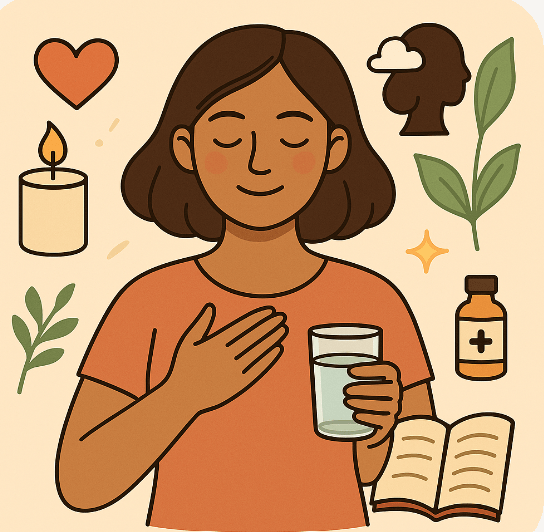
How Can We Practice Self-care During Crisis?
Even in extreme conditions, small acts of care can make a significant difference to our well-being and our ability to function effectively at work.
Establish Routines: Strive to maintain a daily routine, however basic. This could involve waking up at a regular time, sharing a meal, or engaging in a shared activity before bed. Routines provide a sense of predictability and control in chaotic environments, reducing anxiety and creating a more stable foundation for both personal and professional life.
Reduce Exposure to Distressing News: Continuous exposure to tragic news can significantly heighten anxiety and feelings of hopelessness. While it’s important to stay informed for safety and operational planning, excessive exposure can be detrimental to your mental health. Consciously limiting your news intake can help preserve your emotional energy, enabling you to focus on your responsibilities and personal well-being.

Create Safe Emotional Spaces: Encourage open conversations within your family and among trusted colleagues. Allowing children to express their fears and reassuring them can foster emotional security. Within our teams, creating spaces where colleagues feel safe to share their experiences and feelings, even briefly, can build stronger bonds and a more supportive working environment.
Engage in Soothing Activities: Activities like drawing, reading, prayer, or listening to calming music can be powerful stress reducers. Integrating these small moments of solace into your day can offer a much-needed mental break, helping to regulate emotions and improve focus when you return to your duties.

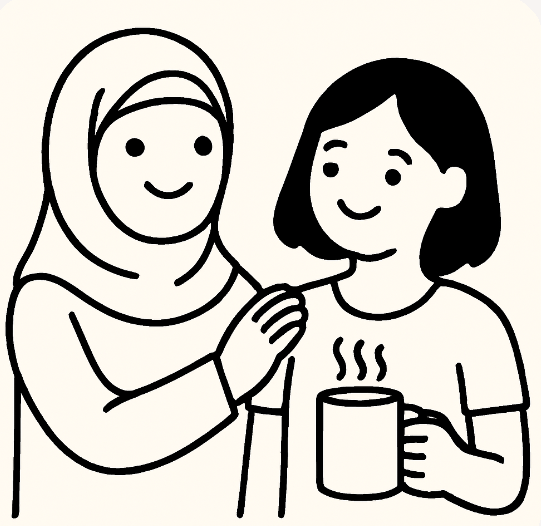
Stay Connected: Reach out to neighbors, friends, or loved ones. Social bonds are incredibly healing and provide crucial emotional support. Maintaining these connections, even through brief check-ins, combats feelings of isolation and strengthens your support network, which is vital for both personal resilience and effective teamwork.
Spiritual and Cultural Anchors: For many, faith and cultural rituals are powerful sources of strength and comfort. Engaging in these practices can provide a sense of continuity, meaning, and hope, which can be profoundly grounding in times of upheaval and contribute to a more stable inner state.

Supporting Children’s Mental Health
Children are particularly vulnerable during conflict. Their understanding of events is limited, and they often absorb the emotions of adults around them. Supporting children requires immense patience, reassurance, and a sense of structure. As UNRWA staff, many of us are parents or caregivers, and our ability to support children at home directly impacts their well-being and, by extension, our own.
Creating Safe Spaces: While physical safety might be precarious, emotional safety can be cultivated. Reassure children that they are loved and that adults are doing their best to protect them. This sense of emotional security helps them feel safer and more grounded, fostering resilience.
Encouraging Play: Play is a natural coping mechanism for children. It helps them process emotions, make sense of their world, and experience moments of joy and normalcy. Providing opportunities for play, even simple ones, can significantly aid their emotional recovery.
Answering Questions Honestly but Gently: Use age-appropriate language to explain what is happening and avoid overwhelming them with too much detail. Honesty, delivered with sensitivity, builds trust and helps children process information at their own pace.
Modeling Calm Behavior: Children take emotional cues from adults. Even when you are anxious, showing controlled and calm responses helps children feel more secure. Your composure can be a powerful anchor for their emotional stability.
Drawing and Storytelling: These activities provide creative outlets for children to express feelings they may not yet be able to verbalize. Encouraging these forms of expression can help them process trauma and communicate their inner world.
Conclusion
While we may feel powerless to stop war as individuals, we can protect our inner world and that of our children. In places like Gaza, and all regions affected by conflict where UNRWA operates, caring for mental health is not a luxury—it is a fundamental necessity. Acts of self-care and emotional support, no matter how small, become vital expressions of resilience. They help preserve our humanity and offer a thread of hope amid devastation. By nurturing our inner lives—through routine, connection, expression, and compassion—we create spaces of strength and healing that allow individuals and families to endure the storm and quietly resist despair. These personal acts of care, though often unseen, are powerful forms of survival and defiance in the face of chaos.
Reflective Questions for UNRWA Staff
Considering the unique pressures of our work at UNRWA, which self-care strategy resonates most with you, and how might you integrate it into your daily routine?
In what ways can we, as colleagues, better support each other in practicing self-care and fostering a more empathetic and understanding work environment?
How can we, as UNRWA staff, leverage our understanding of cultural differences to better support the psychological well-being of both our colleagues and the communities we serve?
References
1. World Health Organization. (2022). Mental health and psychosocial well-being in conflict settings. https://www.who.int/news-room/fact-sheets/detail/mental-health-in-emergencies
2. UNICEF. (2023). Caring for children’s mental health in emergencies. https://www.unicef.org/mental-health
3. International Committee of the Red Cross (ICRC). (2021). Coping with war: Mental health strategies in conflict zones. https://www.icrc.org/en/document/mental-health-conflict
 Wellbeing Arena