Teamwork is fundamental to UNRWA’s mission, and just like any group of dedicated professionals, conflicts can arise. Rather than viewing conflict as a roadblock, we can see it as an opportunity for growth and stronger collaboration. Managing these differences effectively is crucial for maintaining team cohesion, fostering innovation, and ensuring our collective productivity, ultimately contributing to a more positive and effective working environment for everyone at UNRWA.
Understanding Conflict in Teams
Conflict in teams often stems from diverse perspectives, priorities, and personalities. It can show up in two main ways:
Rational Conflict: This is a direct disagreement over tangible matters like goals, decisions, or policies. Think of it as a difference of opinion on how best to achieve an objective.
Emotional Conflict: This is more subtle, arising from attitudes and interpersonal tensions. It might be expressed through body language or tone rather than direct words.
Recognizing and addressing both types of conflict early can prevent deeper divisions and improve overall team well-being. This is especially important in a diverse organization like UNRWA, where cultural differences can influence communication styles and interpretations—potentially leading to misunderstandings if not approached with awareness and sensitivity.
But recognizing conflict is only the beginning. To truly understand a team’s health, we must go deeper—into the subtle shifts in behavior and energy that signal what stage a team is operating in. Some teams wear unity like a mask, while others thrive in open disagreement. How can you tell the difference?
Let’s look at the four dynamic states that teams cycle through—each one offering insight, and sometimes, warning.
The Four States of Team Dynamics
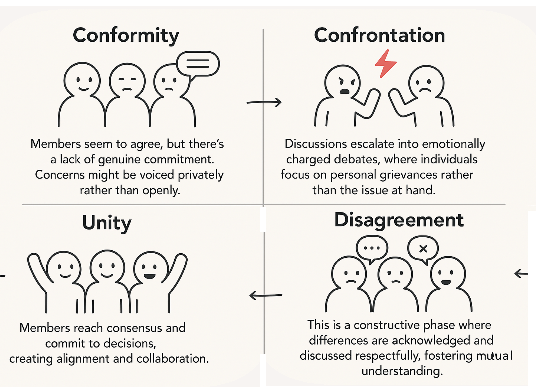
Conformity: Members seem to agree, but there’s a lack of genuine commitment. Concerns might be voiced privately rather than openly, leading to unaddressed issues and simmering dissatisfaction.
Confrontation: Discussions escalate into emotionally charged debates, where individuals focus on personal grievances rather than the issue at hand. Though confrontation is not always unhealthy, this state can damage team morale and create an atmosphere of tension if not managed well.
Disagreement: Here, differences are acknowledged and discussed respectfully. This phase encourages mutual understanding and allows for robust dialogue, enhancing both decision-making and inclusivity.
Unity: Members reach consensus and commit to decisions, creating true alignment and collaboration. This is the ideal state for productivity and psychological safety.
In a healthy team, it’s normal—and even beneficial—to move between disagreement and unity. These states show that diverse viewpoints are not only welcomed but integrated, while emotional cohesion is preserved through trust and shared purpose.
In understanding these dynamic states—conformity, confrontation, disagreement, and unity—it becomes clear that managing conflict isn’t the sole responsibility of team leaders. Each team member plays an active role in shaping how tensions surface and resolve. The next section explores what that responsibility looks like in action, especially within a culturally rich environment like UNRWA.
Team Members’ Role in Conflict Management
Effective team members contribute to conflict resolution by:
Observing subtle signs of underlying tension: Catching issues early can prevent escalation and help preserve a positive working environment.
Encouraging open, respectful dialogue: Creating a culture of safety starts with peers who listen and communicate mindfully.
Differentiating between confrontation and productive disagreement: Being aware of emotional tone and focusing on issues, not individuals.
Guiding the team from conformity or confrontation toward constructive engagement: Raising concerns constructively and supporting others to do the same.
Seeking external mediation if necessary: Recognizing when a third party is needed can restore balance and perspective.
A supportive team culture thrives when members feel empowered to speak up, listen actively, and value difference. When everyone takes ownership, conflict becomes a catalyst—not a constraint—for growth and connection.
While shared responsibility is key, awareness alone is not enough. Knowing what to do when conflict emerges—how to listen, respond, and rebuild trust—is what transforms good intentions into real progress.
So, how can we move from understanding our roles to actually practicing effective conflict resolution in day-to-day team life?
Let’s explore actionable strategies that help teams navigate tension with confidence and clarity.
Strategies for Managing Conflict Effectively
To navigate conflict effectively and improve our working environment at UNRWA, consider these strategies:
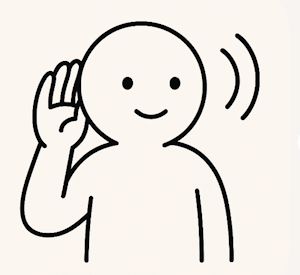
Active Listening: Encourage all voices to be heard, showing understanding and respect. This makes every team member feel valued and improves communication, reducing frustration and misunderstandings.
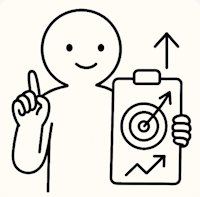
Clarification of Goals: Ensure alignment on objectives to avoid misinterpretation. Clear goals reduce ambiguity and prevent conflicts arising from different understandings of what needs to be achieved, fostering a sense of shared purpose and reducing stress.
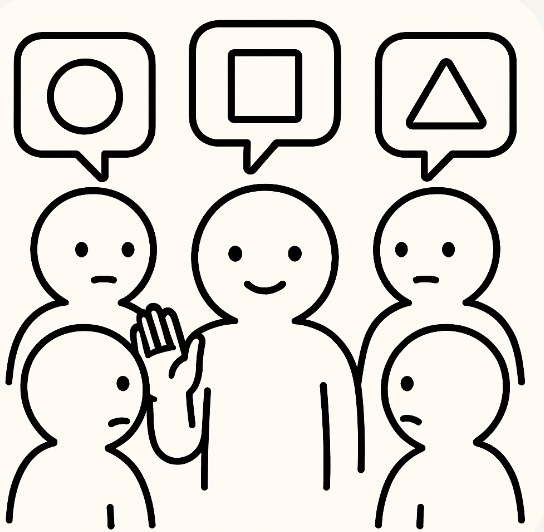
Encouraging Diverse Perspectives: Value differing viewpoints to drive innovation. Embracing diverse opinions leads to more creative solutions and a richer, more inclusive team culture, enhancing job satisfaction and team morale.
Promoting Emotional Awareness: Address underlying tensions before they escalate. Recognizing and addressing emotions helps de-escalate situations and prevents personal attacks, contributing to a more respectful and supportive environment.
Building Trust: Strengthen relationships through transparency and fairness. When team members trust each other, they are more willing to engage in honest dialogue and work through disagreements constructively, leading to a more secure and positive working environment.
Teams, with the adequate skills and tools, can transform conflicts into opportunities for growth, driving stronger collaboration, improved well-being, and shared success.
Reflective Questions:
- Thinking about your own team, what’s one subtle sign of underlying tension you’ve noticed recently, and how might you address it constructively?
- How can we, as individuals, contribute more effectively to moving our team from conformity or confrontation towards productive disagreement and unity?
- What steps can you take to actively listen to a colleague whose perspective differs significantly from your own, and how might that improve your working relationship?
 Wellbeing Arena